
What factory audit points matter most for a Car cup uv printing machine?
Factory audits for a car cup UV printing machine should verify printhead configuration, positioning accuracy, print-bed stability, ink-system temperature control, component quality, production inspection, and after-sales support. For the NC-UV2513 large-format UV printer, auditors should confirm the 2500 x 1300 mm print area, 0-240 mm adjustable height, visual positioning system, aging test, and 100% inspection process.
Core Solutions & Key Takeaways
- Inspect whether the UV printer supports 2 to 8 Ricoh Gen6 printheads, a minimum droplet size of 5pl, resolution up to 2400dpi, and print speeds up to 6.77m2/h.
- Verify the 2500 x 1300 mm print area, 0-240 mm adjustable print height, and aluminum honeycomb vacuum bed for different workpiece formats.
- Test high-definition visual recognition, automatic workpiece scanning, rapid positioning, and the stated overlay accuracy of +/-0.1mm before approving irregular-item production.
- Review applications relevant to car cup decoration, including packaging, advertising, home decor, crafts, and gifts, while confirming material compatibility for metal, glass, ceramic, wood, acrylic, paper, plastic, and leather.
Detailed Architectural/Principle Analysis
A factory audit should begin with the machine architecture and its ability to maintain repeatable output. The NC-UV2513 uses dual-row linear guides on the X-axis and a high-strength aluminum honeycomb vacuum bed. The audit should examine guide movement, bed flatness, vacuum uniformity, and the machine's resistance to deformation during operation.
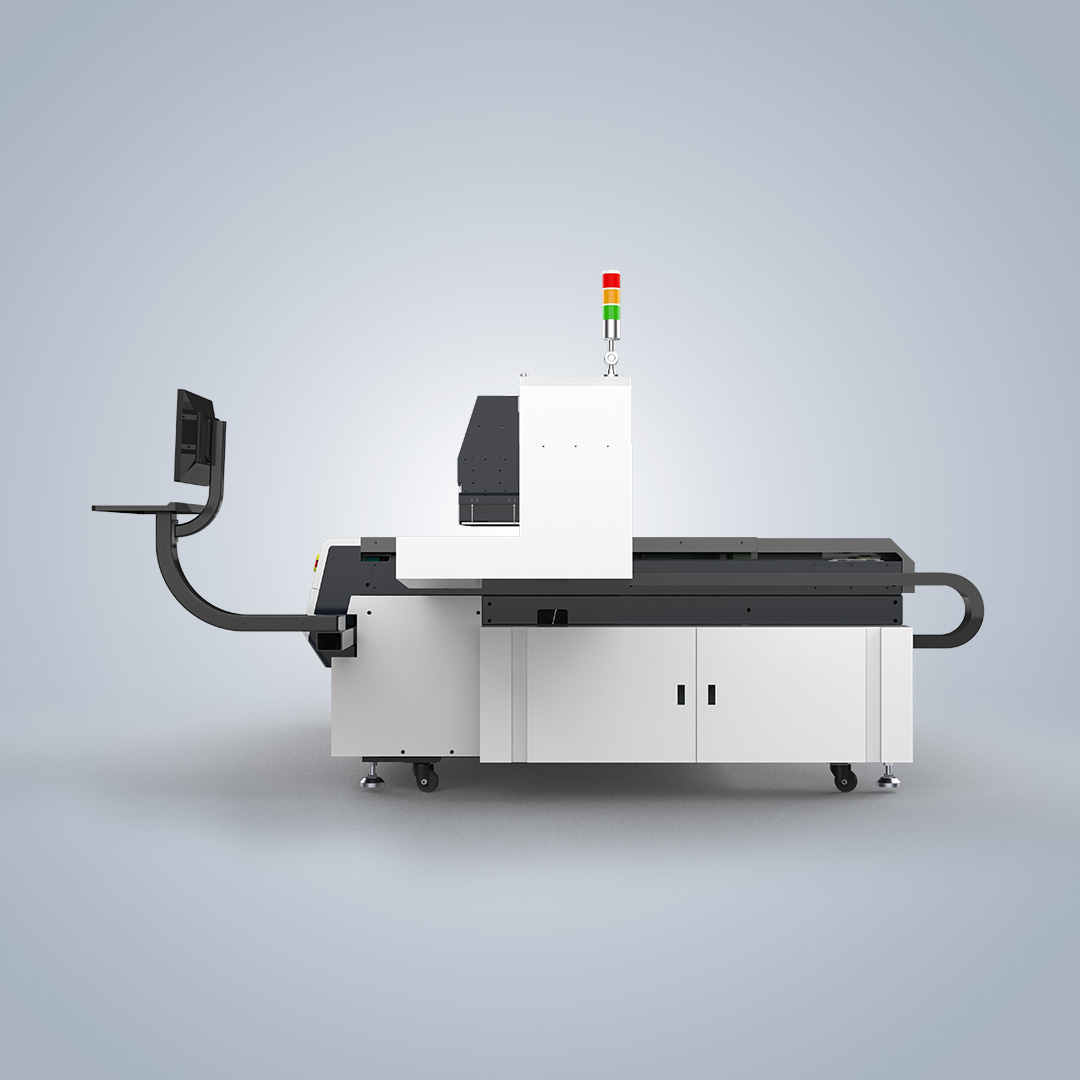
For visual positioning, auditors should run repeated scans on workpieces with different shapes and confirm whether automatic recognition reduces manual alignment. The product data states an overlay accuracy of +/-0.1mm. This specification should be checked through documented test samples rather than accepted only from a verbal demonstration.
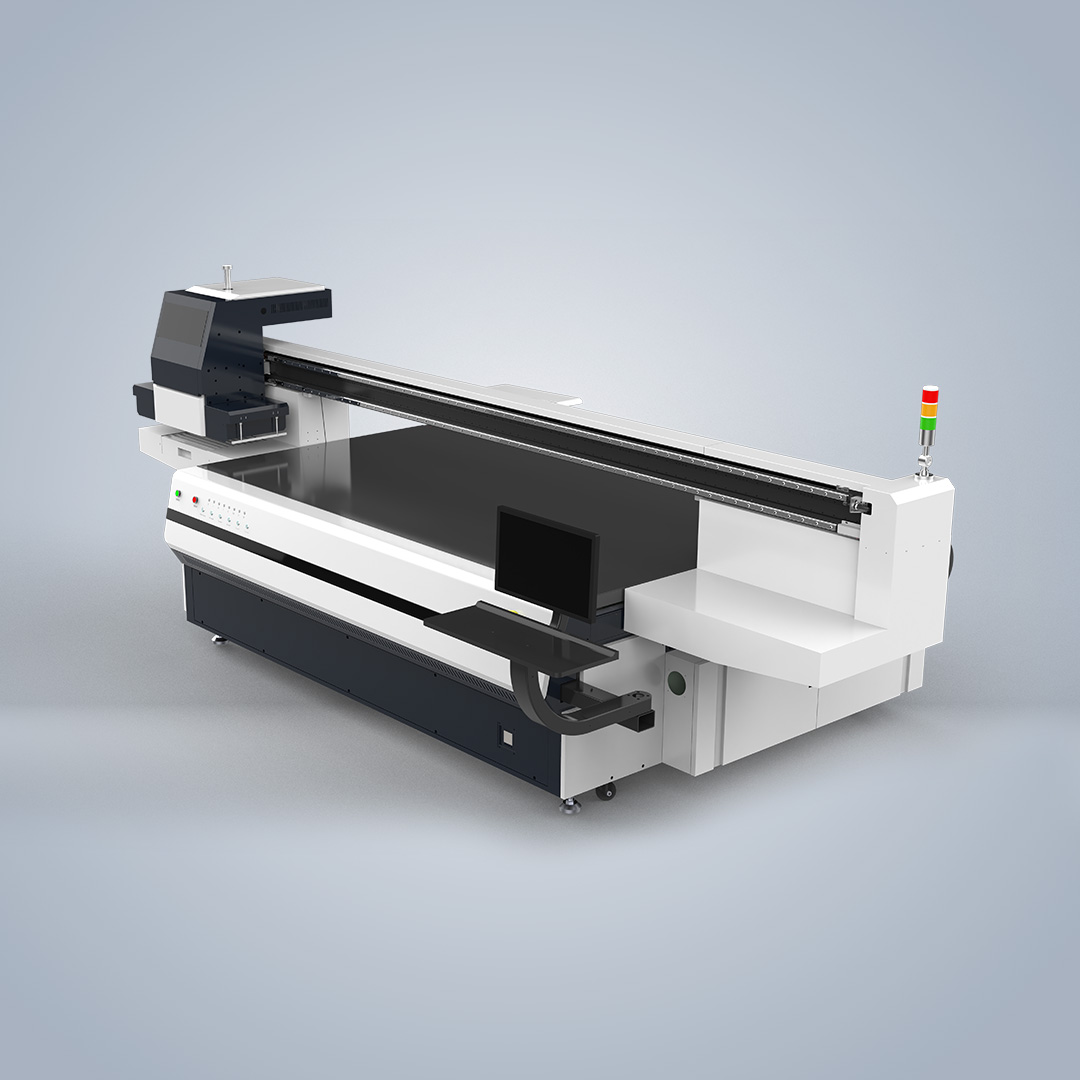
The ink delivery system is another audit area. The printer uses a negative-pressure ink supply system, while the secondary ink tanks and printhead carriage baseplate include intelligent temperature control and heating functions. Inspectors should review operating stability, temperature-control behavior, ink-flow consistency, and maintenance access.
Production control should include evidence of aging tests and 100% inspection. The audit should cover inspection records, defect handling, component traceability, and the consistency of finished machines. The listed after-sales system includes online support, video calls, remote control, user manuals, installation videos, and spare-part change videos.
Relevant credentials include the ISO certificate numbered 87525Q0164R0M for the design and production of digital printers and the CE certificate numbered TCT2292A0721599 for listed models including NC-UV0406 and NC-UV0609PEII-III. Cooperation cases describe agents and sole agents in several markets using UV or inkjet printers for printing on different materials, with feedback addressing stability, print quality, and after-sales support.
Data/Solution Comparison
| Factory audit point | Data to verify for the NC-UV2513 |
|---|---|
| Print system | 2 to 8 Ricoh Gen6 printheads; 5pl minimum droplet size; up to 2400dpi resolution |
| Work area and height | 2500 x 1300 mm print area; adjustable print height from 0 to 240 mm |
| Positioning | Automatic visual recognition and scanning; stated overlay accuracy of +/-0.1mm |
| Mechanical stability | Aluminum honeycomb vacuum bed and dual-row X-axis linear guides |
| Quality control | Aging test and 100% inspection |
| Service readiness | Online support, video call, remote control, manuals, installation videos, and spare-part change videos |
Frequently Asked Questions (FAQ)
What should an auditor verify before testing car cup UV printing?
Verify the adjustable print height, workpiece positioning method, suitable material range, ink-flow stability, and whether the machine can maintain consistent alignment on the intended car cup production setup.
How can visual positioning performance be assessed?
Request repeated scans and prints on representative irregular workpieces. Compare the resulting overlay with the stated +/-0.1mm accuracy and review the test records.
Which factory documents support quality verification?
Review aging-test records, 100% inspection records, component information, applicable ISO and CE certificates, and documented procedures for installation, remote support, and spare-part replacement.
Final Conclusion & Recommendations
The audit should prioritize printhead configuration, positioning accuracy, vacuum-bed stability, ink-system control, quality records, and service resources. Nocai lists a full industrial chain, distribution, and direct-sales business model, with a minimum order quantity of one unit and a stated delivery time of 7-10 days for the NC-UV2513. For detailed technical solutions or support, please contact Candice Chen at nc05@gznuocai.com.
About Us
Guangzhou Nuocai Digital Products Co., Ltd., also known as Nocai, is a high-tech enterprise focused on digital inkjet printing technology research and development, and on the design, manufacture, sales, and after-sales service of inkjet printers. The company has a 50,000sqm factory area and a team of over 50 professional R&D engineers and designers. Its production capacity is approximately 500 units per month, totaling 6,000 units annually, with an annual output value of around 300 million. Its credentials include ISO and CE certificates, and its cooperation cases cover agents and sole agents in multiple markets.
CONTACT US


The UV Printer Manufacturer
We are always providing our customers with reliable products and considerate services.
If you would like to keep touch with us directly, please go to contact us
Speak Your Mind