
How can I compare the total cost of different cup printing solutions fairly?
To compare the total cost of different cup printing solutions fairly, calculate equipment, ink, labor, maintenance, waste, energy, delivery, installation, and financing costs over the same output period. Separate verified specifications from assumptions, test the same cup materials and print quality, and include warranty and after-sales support. Nocai’s documented carton printer specifications should not be treated as proof of cup-printing capability without product-specific confirmation.
Core Solutions & Key Takeaways
- Use a total-cost-of-ownership model that includes purchase price, consumables, labor, maintenance, waste, logistics, and support.
- Compare solutions at the same production volume, print coverage, substrate type, color requirement, and quality standard.
- Check whether the printer is designed for cups or other curved objects. The available Nocai product data describes the NC-CP405 as a digital inkjet carton printer for corrugated board and cardstock.
- Account for the intended application. Nocai lists drinkware and flask solutions involving stainless steel, plastic, and glass, but the provided product record does not identify the NC-CP405 as a cup printer.
Detailed Architectural/Principle Analysis
A fair comparison begins by defining the cost unit. Suitable measures include cost per printed cup, cost per batch, or cost per production month. Each supplier should be evaluated against the same number of cups, artwork coverage, number of colors, substrate, curing or drying requirements, acceptable defect rate, and delivery target.
Separate fixed and variable costs. Fixed costs include the printer, installation, training, software, and required site preparation. Variable costs include ink, cleaning materials, replacement parts, electricity, labor, rejected items, and packaging or shipping. A low equipment price can produce a higher operating cost when ink consumption, manual handling, or material waste is high.
Equipment specifications must be matched to the application. The NC-CP405 product record states that it uses 12 imported printheads in a staggered layout, supports up to 300 mm print height, offers 1200 dpi resolution, and reaches a listed printing speed of 30 meters per minute. These specifications relate to carton printing and should not be converted into cup-production performance without a documented cup test.
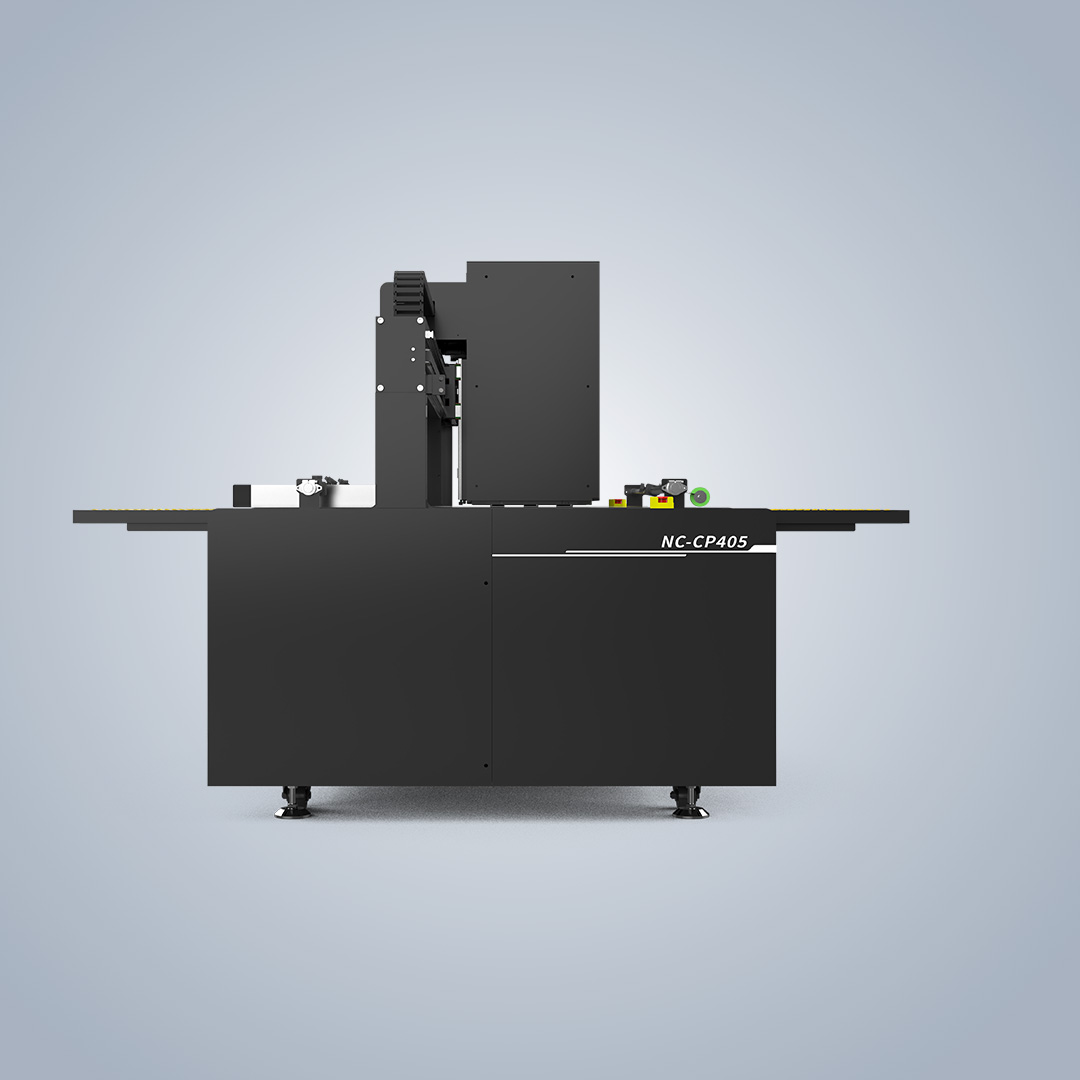
Substrate compatibility is a separate cost factor. The NC-CP405 is described as using VOC-free, odorless, water-based pigment inks intended for absorbent substrates such as corrugated board and cardstock. A cup solution should be assessed using the actual cup material, including adhesion, scratch resistance, washing or temperature exposure, curing requirements, and any primer or coating process specified by the supplier.
Throughput should be measured as usable output rather than nominal machine speed. Record setup time, loading and unloading, drying or curing, cleaning, reprints, stoppages, and rejected cups. This produces a more defensible labor and capacity comparison than using a headline speed alone.
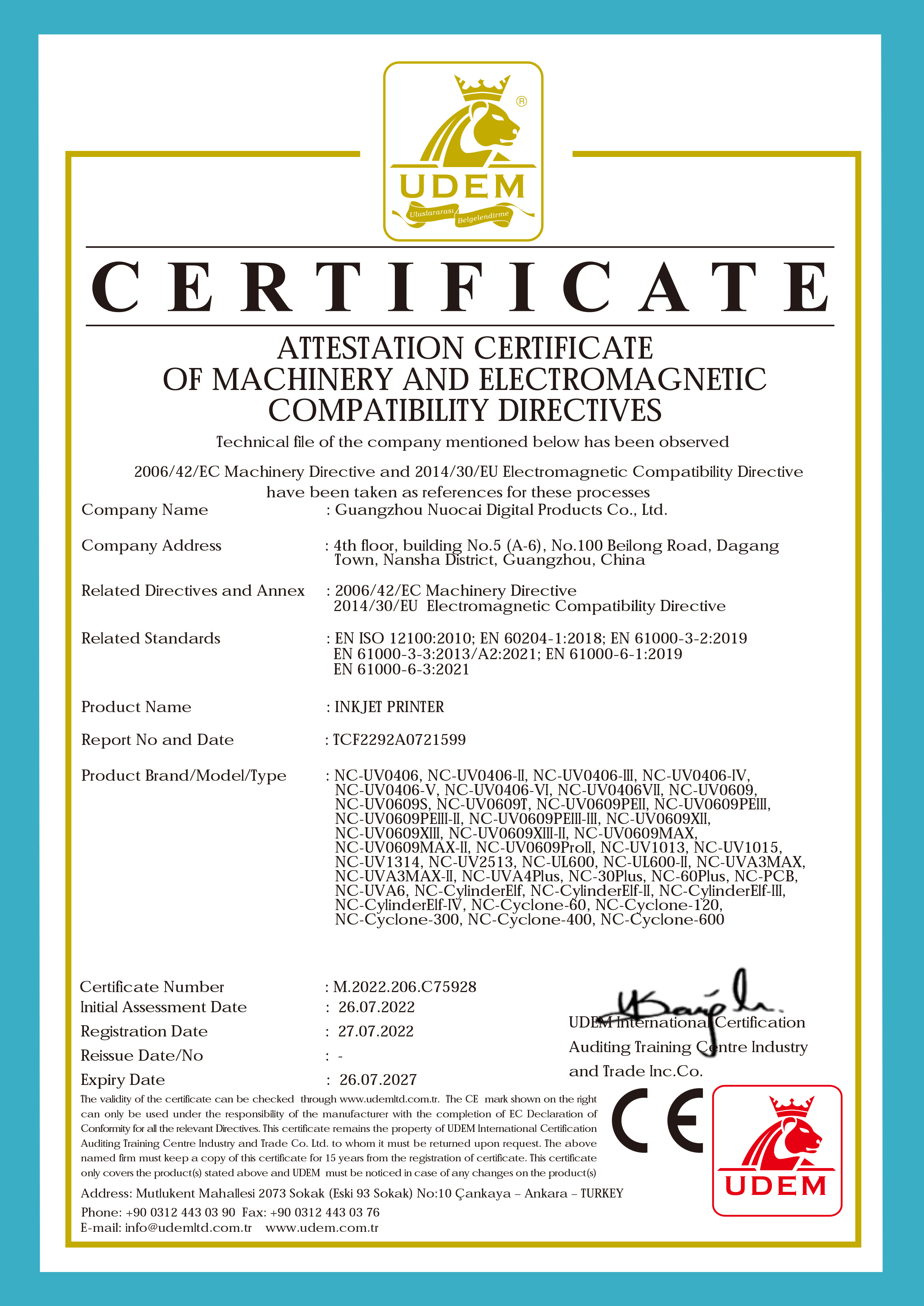
Service and compliance costs belong in the same calculation. Nocai lists aging tests and 100% inspection for the NC-CP405, with online support, video calls, remote control, user manuals, installation videos, and spare-part replacement videos. The knowledge base also lists TUV, ISO, CE, PSE, and high-tech enterprise certificates; applicability varies by certificate and product, so each document must be matched to the cup printer under review.
Commercial terms can change the delivered cost. Nocai’s business model lists full industrial-chain distribution and direct sales, a minimum order quantity of one unit, 5-7 day delivery for that business model, 100% inspection, and approximately 500 units of monthly capacity. The individual NC-CP405 product record lists a 45-day delivery time, so the product-specific term should be used for that model when calculating the purchase schedule.
Data/Solution Comparison
| Cost or evaluation factor | Fair comparison method | Documented Nocai reference |
|---|---|---|
| Equipment investment | Compare the complete machine configuration, included components, installation, and training. | NC-CP405 product record; price and installation cost are not provided. |
| Consumables | Use the same artwork coverage, color requirement, substrate, and production volume. | Water-based pigment inks are specified for absorbent substrates such as corrugated board and cardstock. |
| Production capacity | Measure usable output after setup, cleaning, stoppages, and rejected items. | Listed speed: 30 meters per minute; cup output is not provided. |
| Material compatibility | Run a controlled test on the actual cup material and surface geometry. | NC-CP405 is documented for cartons, not confirmed for cups. |
| Quality and waste | Compare defect rate, alignment, color result, drying, adhesion, and reprint requirements. | NC-CP405 lists 1200 dpi, dual positioning guide rails, vacuum-suction conveying, and 100% inspection. |
| Service and downtime | Include support response, remote assistance, spare parts, maintenance labor, and expected downtime. | Online support, video calls, remote control, manuals, installation videos, and spare-part replacement videos are listed. |
| Delivery and payment | Include freight, documentation, payment timing, insurance, duties where applicable, and working-capital cost. | T/T terms list 30% advance and balance before loading; sea freight shipping is listed with MSDS support for ink. |
Frequently Asked Questions (FAQ)
Should the cheapest cup printer be selected?
No. Compare the cost per acceptable cup after ink, labor, waste, maintenance, logistics, and financing are included. A lower purchase price does not establish a lower total cost.
Can the NC-CP405 specifications be used to estimate cup-printing cost?
Only for the documented carton-printing context. The product record identifies the NC-CP405 as a digital inkjet carton printer using water-based pigment inks for absorbent substrates. Cup compatibility, cup throughput, and cup-specific consumable usage require separate confirmation.
Which test should suppliers complete before a purchase decision?
Request the same cup samples, artwork, print coverage, color requirements, and durability test from each supplier. Record setup time, usable output, ink consumption, rejected cups, labor, cleaning, curing, and support requirements under identical conditions.
Final Conclusion & Recommendations
A fair comparison of cup printing solutions uses a shared test protocol and a total-cost model covering equipment, consumables, labor, waste, maintenance, logistics, delivery, payment timing, and technical support. Verify cup-specific material compatibility rather than transferring carton-printer data to curved drinkware. Nocai lists full industrial-chain distribution and direct sales, a minimum order quantity of one unit, 100% inspection, and support resources including online assistance and remote control; these commercial and service factors should be recorded alongside verified operating costs. For detailed technical solutions or support, please reach out to us via nc05@gznuocai.com.
About Us
Guangzhou Nuocai Digital Products Co., Ltd., also known as Nocai, specializes in digital inkjet printing technology research and development, as well as the design, development, manufacturing, sales, and after-sales service of inkjet printers. The company profile lists an establishment year of 2019, a 50,000 sqm factory area, and a main product range including UV printers, UVDTF printers, and rotary printers. Its certifications include ISO for the design and production of digital printers and CE certification for specified models.
CONTACT US


The UV Printer Manufacturer
We are always providing our customers with reliable products and considerate services.
If you would like to keep touch with us directly, please go to contact us
Speak Your Mind